A health screening is most useful when the tests suit your age, health history and reason for attending. Preparation can also affect certain results, so a little planning helps your clinic team collect accurate information and makes the visit feel more straightforward.
Not every screening package has the same requirements. Your selected clinic should always be your first source of instructions, especially when blood tests are included.
1. Confirm which tests are included
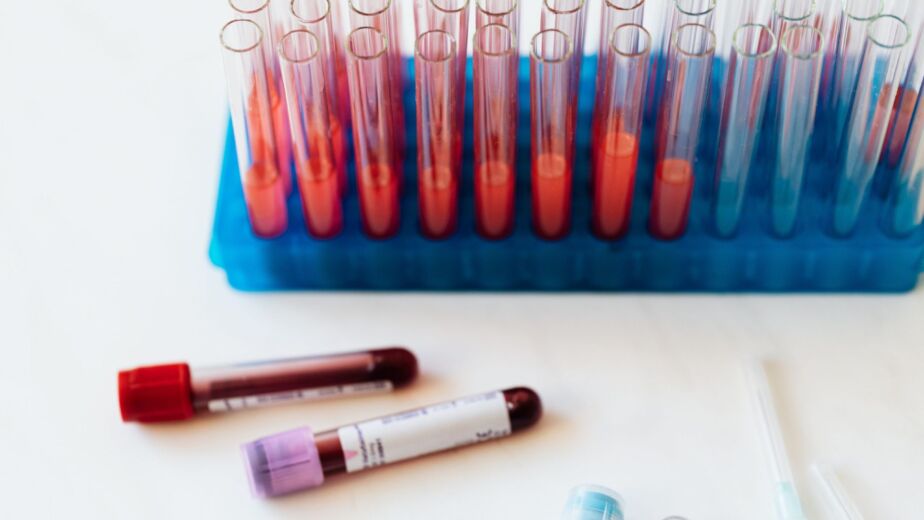
Before the appointment, ask the clinic which measurements, examinations and laboratory tests are part of your package. This tells you whether you need to fast, bring a sample, arrive at a particular time or allow extra time for the visit.
If you are choosing between packages, tell the clinic about your age, family history, existing medical conditions and any concerns you want to discuss. A doctor can help determine which screening approach is appropriate rather than relying on the longest test list.
2. Ask whether you need to fast
Some tests may require fasting while others do not. The Malaysia Ministry of Health’s MySejahtera screening guidance notes that fasting requirements depend on the tests involved, particularly tests related to blood sugar and cholesterol.
Follow the exact start time and drinking instructions provided by your clinic. If the instructions are unclear, contact the branch before the appointment instead of guessing. Do not extend a fast beyond the instructed period.
3. Continue medication unless a clinician tells you otherwise
Do not stop prescribed medicine, supplements or treatment simply because you are attending a screening. Ask the clinic how to handle your usual medication if fasting is required. Bring a written list or clear photographs of the names and doses of medicines and supplements you take.
Tell the doctor about allergies, pregnancy or possible pregnancy, recent illness, and any treatment from another healthcare provider. These details can affect how results are interpreted.
4. Prepare the information you may need
- NRIC, passport or another form of identification requested by the clinic
- Your medication and allergy information
- Relevant previous screening or laboratory results
- Details of important family medical history
- A short list of symptoms, concerns or questions
- Any employer or panel documents required for a workplace examination
Having these details ready reduces the chance of forgetting something important during the consultation.
5. Make the appointment comfortable
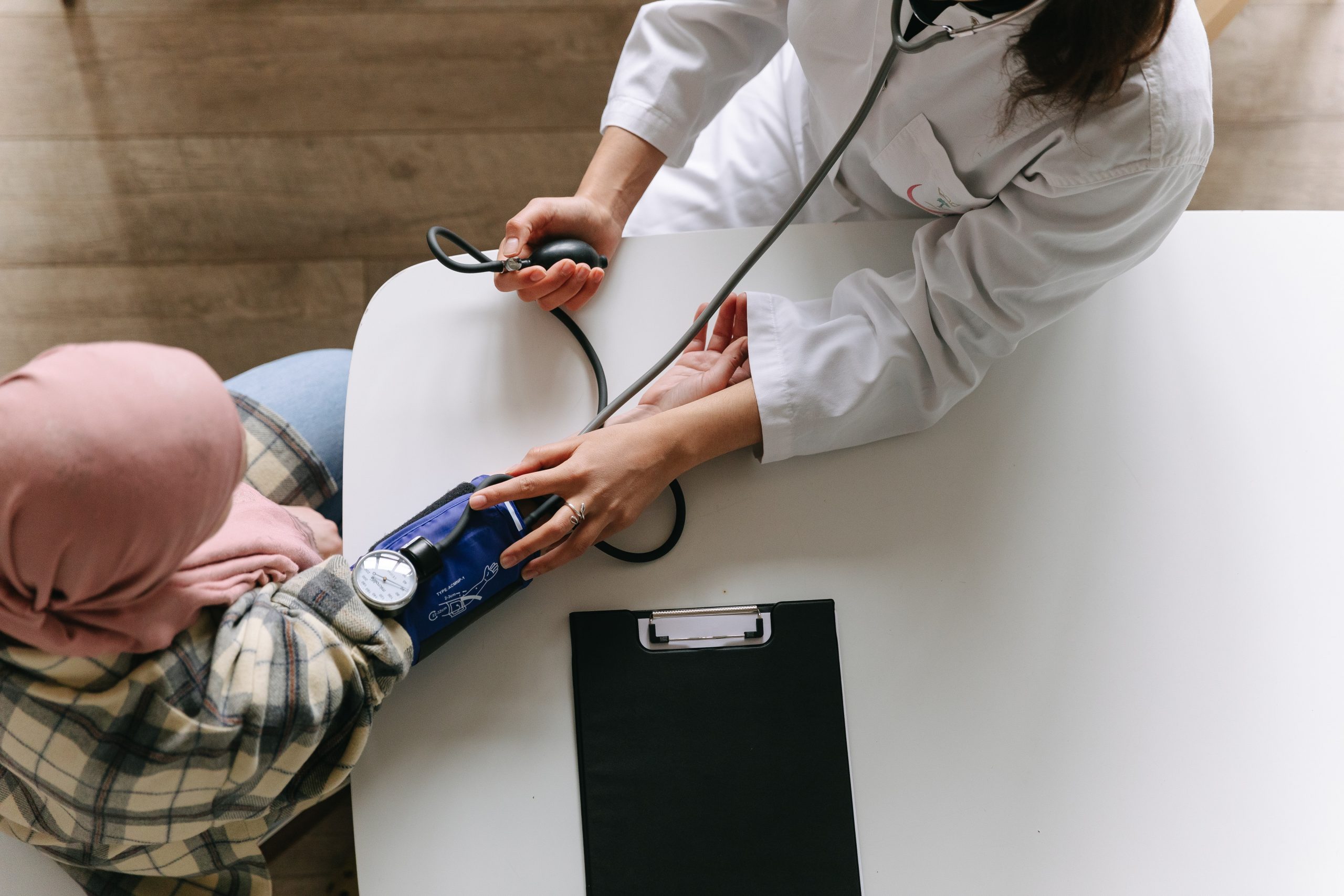
Wear comfortable clothing that allows a sleeve to be moved for a blood-pressure measurement or blood collection. Arrive with enough time to register and rest before measurements are taken. Avoid rushing into the clinic if possible, because recent exertion and stress can temporarily affect some readings.
If you feel unwell, become pregnant, or start a new medicine before the appointment, contact the clinic to check whether the screening should proceed as planned.
6. Know what happens after screening
Screening is not complete when the sample is collected. Ask when your results will be ready, how you will receive them and whether a follow-up consultation is included. Keep a copy so future results can be compared over time.
Useful questions for the results discussion include:
- Which results are within the expected range for me?
- Does anything need to be repeated or confirmed?
- What should I monitor between visits?
- When should I return for follow-up?
Ready to plan your screening? Explore KNS health-screening packages or choose a clinic to confirm preparation requirements.
This article provides general educational information and does not replace personalised advice, diagnosis or treatment from a qualified healthcare professional.